


Understanding Carpet Edging Techniques: Whipping vs Binding and Choosing the Best Finish for Your Rugs
Updated: May 11
Carpet edges often go unnoticed until they start to fray or look worn. Finishing the edges of rugs and stair runners not only improves their appearance but also extends their lifespan. Two popular carpet edging techniques are whipping (serging) and binding (taping). Each method offers unique benefits and suits different carpet types and uses. This post explores the differences between these techniques, explains how they are applied, and helps you decide which finish works best for your carpets. We also discuss why sending carpet off-cuts to a specialist like Ace Carpet Edging can be a smart move.
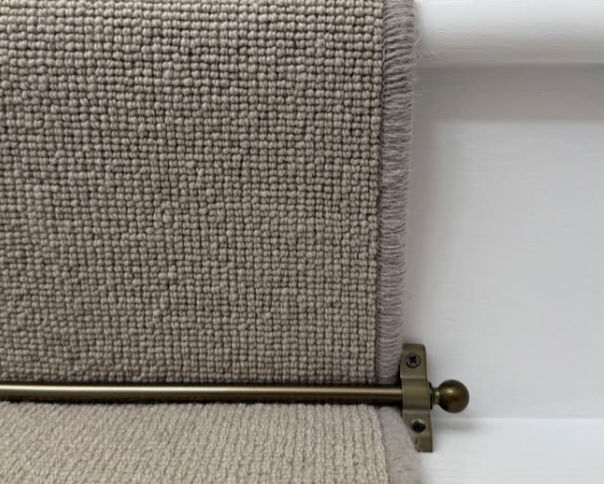
Close-up of carpet edge with whipping technique on stair runner
What Is Carpet Whipping (Serging)?
Whipping, also called serging, is a method where yarn is sewn around the edge of a carpet or rug. This technique wraps the edge with a continuous thread (woollen yarn), creating a neat, rounded finish that prevents unravelling.
How Whipping Is Done
A whipping machine wraps yarn tightly around the carpet edge.
The yarn colour can match or contrast with the carpet.
The stitching covers the raw edge, hiding any fraying fibres.
This method is common for rugs with a woven or tufted pile.
Benefits of Whipping
Durability: The yarn wrapping protects edges from wear and tear.
Aesthetic appeal: Offers a clean, finished look that can be customised with different yarn colours.
Flexibility: Works well on irregular shapes and curved edges.
Lightweight: Does not add bulk, keeping the rug’s natural feel.
Whipping is especially popular for stair runners because it provides a smooth edge that won’t catch on shoes or socks. It also helps rugs maintain their shape on stairs where movement is frequent.
What Is Carpet Binding (Taping)?
Binding involves sewing a fabric tape or strip around the carpet edge. This tape is usually made from cotton, polyester, or leather and is stitched firmly to the carpet backing.
How Binding Is Done
The carpet edge is trimmed straight.
A binding tape is wrapped around the edge.
The tape is sewn in place using a binding machine.
Binding tapes come in various widths and colours.
Benefits of Binding
Strong edge protection: Binding adds a sturdy border that resists fraying.
Wide style options: Different tapes can create a bold or subtle frame.
Suitable for heavy-use areas: Ideal for rugs that get a lot of foot traffic.
Easy to clean: The tape can be made from materials that resist dirt and stains.
Binding is often chosen for larger area rugs and carpets in hallways or living rooms. It creates a defined edge that can complement the room’s décor.
Comparing Whipping and Binding for Rugs and Stair Runners
| Feature | Whipping (Serging) | Binding (Taping) |
|----------------------|------------------------------------------------|---------------------------------------------|
| Appearance | Rounded, yarn-wrapped edge | Flat, fabric tape border
| Durability | Good for moderate wear | Excellent for heavy wear
| Flexibility | Adapts well to curves and shapes | Best for straight edges
| Thickness | Thin, lightweight finish | Adds some bulk and firmness
| Customisation | Yarn color options | Variety of tape materials and colors
| Common uses | Stair runners, small rugs | Large rugs, high-traffic areas
Why Sending Carpet Off-Cuts to Ace Carpet Edging Is a Smart Choice
When you need professional carpet edging, sending your carpet off-cuts to a specialist like Ace Carpet Edging offers several advantages:
Expert craftsmanship: Ace Carpet Edging uses skilled technicians who ensure precise, durable finishes.
Wide range of options: They provide both whipping and binding services with many colour and material choices.
Time-saving: Outsourcing edging frees you from the hassle of DIY or finding local services.
Consistent quality: Their equipment and experience guarantee uniform edges that enhance your carpet’s look.
Cost-effective: Avoid costly mistakes and extend your carpet’s life with professional finishing.
Ace Carpet Edging also handles custom sizes and shapes, making them ideal for unique rugs and stair runners.
Practical Tips for Choosing the Right Edging Method
Choosing between whipping and binding depends on your carpet type, use, and style preferences. Here are some tips to guide your decision:
Consider the Carpet Material
Wool or natural fibre rugs: Whipping works well because the yarn blends with the texture.
Synthetic or heavy-duty carpets: Binding offers stronger protection against fraying.
Think About Rug Shape and Size
Irregular or curved edges: Whipping adapts better to curves.
Large, rectangular rugs: Binding creates a clean, structured border.
Evaluate Usage and Traffic
High-traffic areas: Binding withstands wear better.
Light-use areas or decorative rugs: Whipping provides a delicate finish.
Match Your Décor Style
Traditional or rustic look: Whipping with natural yarn colours fits well.
Modern or bold styles: Binding with contrasting tape can make a statement.
Call us on 01371859037
Email us at info@acecarpetedging.co.uk

Comments